Sheriffhales 6: Big Garden Bird Watch 28.1.25

This week was the Big Garden Bird Watch! In our Sheriffhales 6 session, we read a book that told us all about the different types of birds we might see. We then used this and photographs of common garden birds to help us identify birds in the trees and sky. When we saw a bird, we completed observational drawings of them.


Science: Absorbent materials 31.1.25

Today, Willow Class have been testing a range of materials to see which is the most absorbent and would be a good material for a mop. We tested cotton wool, cardboard, foil and cling film. We concluded that the cotton wool was the most absorbent so would be the best material.


History: What was school like in the 1900s? 22.1.25

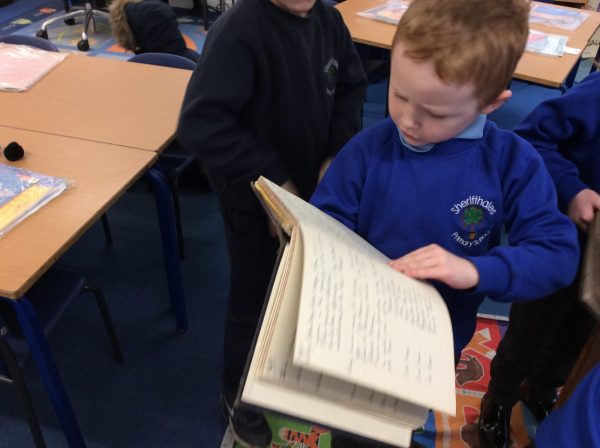
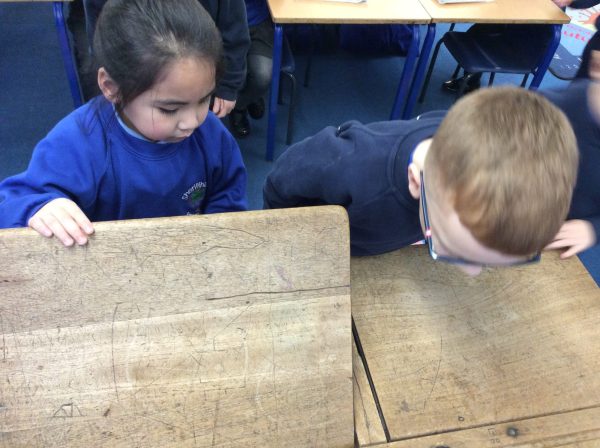
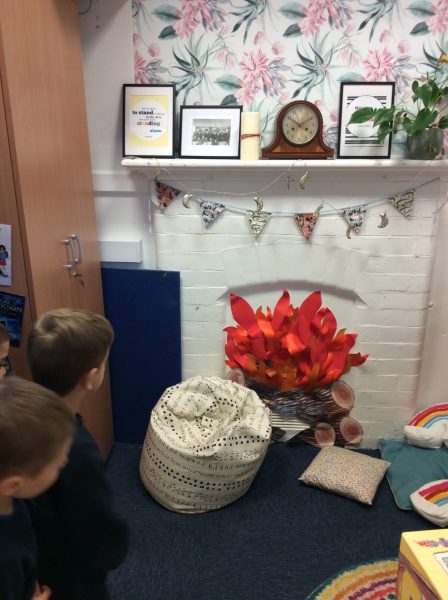
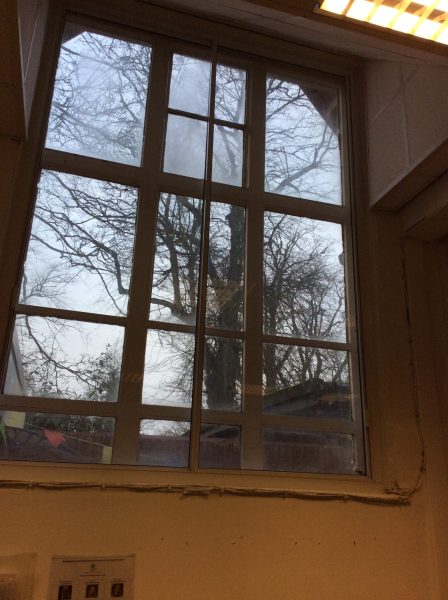
Today, we have been learning about what schools were like beyond living memory, in the 1900s. We discussed how because it is beyond living memory, we need to use other sources of evidence to find out about this time. To do this, we visited Lime class, as this was a working classroom in the 1900s. We became historians and looked for clues about what it was like. We spotted the fires which we now understand were used to heat the room and we also saw how high the ceiling was. We also noticed how high up the windows are. We were fascinated to find out that this was to stop children looking out of them. We discussed how Oak and Lime class would have been one big class – we opened the door into Oak and realised just how far away the teacher and blackboard would have been if we were at the back of the class! In our classroom, we also got the opportunity to look at an old desk with inkwells and also photographs, registers and books from the past. We agreed that school life now is much more enjoyable!


Computing: Creating a pictogram

Today, we looked at making a pictogram using cubes as a whole class based on our favourite colours. We then collected data as a tally chart  for different minibeasts that Miss Barden had hidden around the classroom. Finally, we used this data to create our own pictograms in pairs using an online programme.

Science: Everyday Materials Working Scientifically 24.1.25

Today, we have been nautical engineers. We have worked scientifically by testing a variety of objects to see if they float or sink. We completed an investigation in groups where we predicted if an object would float or sink before we tested it. We realised that objects made from materials such as metal sank, and lighter objects floated.

Sheriffhales 6: Making a messy map and creating our wormery! 14.1.25

Today, we have been creating a messy map of our own imaginary world. We used a range of natural resources to symbolise parts of our imaginary world. We then talked about what the natural resources represented to others before trying to represent this messy map on paper.

We also got to create our very own wormery – we followed the instructions carefully to make sure that we have created a happy home for our worms. We will spend the next four weeks monitoring what the worms do.

Kindness Workshop 15.1.25

Today, we completed a Kindness Workshop with the rest of the school. As part of the workshop, we spent time creating artwork for somebody else to spread kindness.

Computing 15.1.25 Entering the data: pictograms

In Computing this week, we have been using an online programme on laptops to enter data of how people travelled to school. We presented this as a pictogram.

Art: Shaping clay with our hands 9.1.25

Today, we have been exploring clay and the different shapes and marks we can make with this. We have learnt how to make a ball and sausage shape as well as use a rolling pin to flatten and smooth the clay. Once we practised these, we then used clay tools and a range of classroom objects to make marks in the clay.

Animals including humans: Hygiene 18.12.24

Today, we have been learning about the importance of hygiene. We started by discussing what germs are, and how we must maintain good hygiene to reduce the spread of germs. We learnt that washing hands and faces, catching coughs and sneezes in tissues and cleaning our teeth twice a day all help with this. To support our understanding of the spread of germs, we conducted a small experiment. We put hand gel and dried herbs on our hands. The herbs were ‘germs’ and we observed over time what happened to these germs. We were shocked to see just how much they spread, so we were very interested to learn how to wash our hands thoroughly with warm water and soap.

CEOP
Platinum Green tree award
School of Kindness 2026
School Games Platinum 2025/26-2026/27
RSPB Wild Challenge
RHS Level 5 School Gardening Award
Gold Green Tree award
Untitled
Ofsted Outstanding
Friends of the Honey Bee
Untitled
asthma friendly school
Untitled
Parent View - Give Ofsted your view on your child's school
© Sheriffhales Primary School 2023
Shropshire web design by kiskadoo